

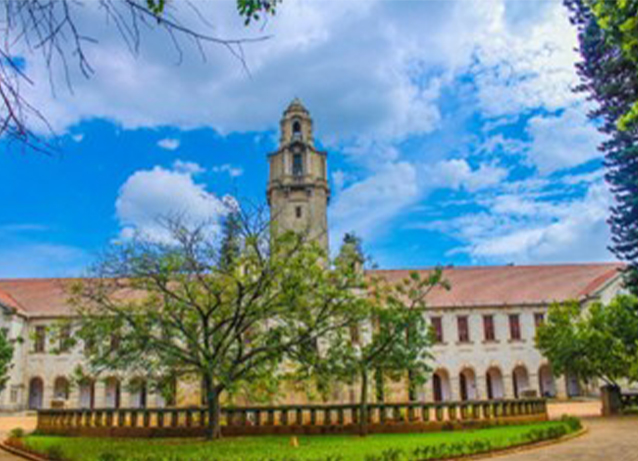
Campus life at IISc Bangalore has a character that is difficult to describe unless one has lived it. Despite being in the heart of a busy city, the campus feels insulated from Bangalore’s usual chaos. Spread across hundreds of acres, IISc is quiet, green, and slow-paced, creating an environment that naturally lends itself to deep thought and long hours of focused work. Days on campus usually begin early. Mornings are marked by people walking or cycling to their departments, the sound of birds, and a noticeable calm that persists well into the day. The tree-lined roads, old buildings, and open spaces give IISc an almost timeless quality. Even during working hours, the campus rarely feels rushed; instead, it moves at a steady, deliberate pace that mirrors the nature of research itself.

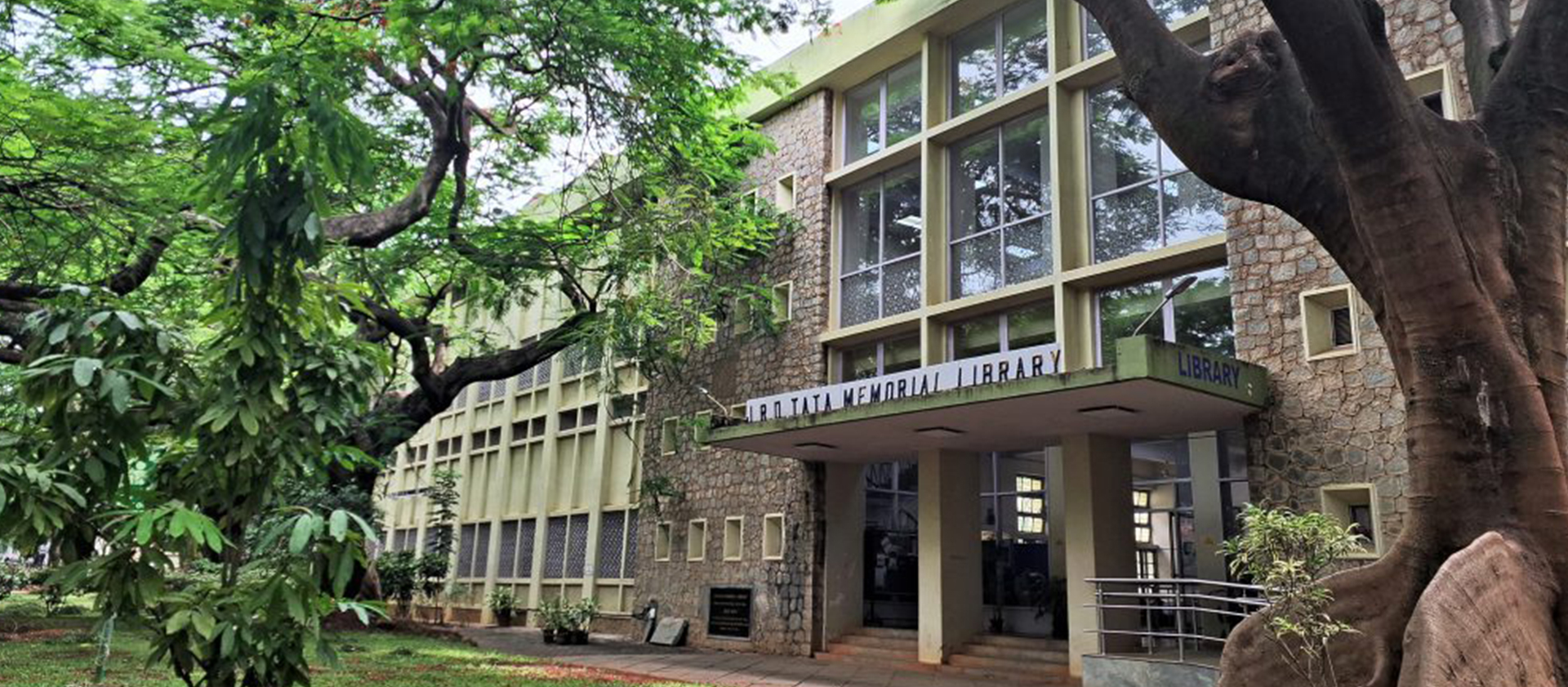
The library at IISc is one of the most heavily used and quietly respected spaces on campus. With long opening hours, extensive physical collections, and strong digital access, it becomes a refuge for focused work. Many students develop personal rituals around the library specific desks, preferred floors, or late-night study slots. Unlike labs, which can feel stressful during difficult phases of research, the library often offers a sense of calm and continuity, especially during writing-heavy periods.

Life in the hostels at the Indian Institute of Science is a central part of campus culture. IISc is a largely residential institute with multiple hostel blocks for men and women, accommodating several thousand students within the campus. These hostels vary in age and character, but together they form close-knit communities that shape everyday student life. In addition to living spaces, the hostel area includes essential facilities such as laundry services, small eateries, a bakery, bicycle repair, pharmacy, and other conveniences that make long research stays manageable. Limited accommodation is also available for married students and families, along with guest rooms for visiting parents, collaborators, and conference participants.
Dining on campus is organized through five messes: Vegetarian A, Composite B, Composite C, Vegetarian D, and the newer Vegetarian E. The vegetarian messes serve only vegetarian food, while the composite messes offer both vegetarian and non-vegetarian options. Students typically register with one mess at a time and can change mess membership according to institute rules and availability. While the food is often a subject of regular debate among students, the mess system provides a reliable and structured routine that anchors daily life, allowing residents to focus on research without worrying about cooking or logistics.
The campus also has several guest houses that play an important role in everyday academic life. Visiting faculty, collaborators, conference speakers, and family members of students often stay within the campus itself, which makes interactions feel less formal and more continuous. It is not uncommon for discussions that begin in seminar rooms to continue over breakfast or during evening walks on campus roads. For students, especially those spending many years at IISc, the availability of guest houses makes it easier to host parents or collaborators without the logistical strain of arranging accommodation outside the institute.
Sports and physical activity provide an essential counterbalance to the intellectual intensity of research life at the Indian Institute of Science. IISc has well-developed facilities for badminton, table tennis, basketball, football, cricket, tennis, athletics, and gym training, along with open grounds that remain active throughout the year. Evenings often see students heading to the courts or fields after long hours in the lab, using sport to disconnect mentally and reset. These spaces are also socially important, bringing together students, staff, and faculty in a setting where academic hierarchies fade, reinforcing the quiet sense of community that defines campus life.